
Arm’s Length Principle
Understanding the Arm’s Length Principle in Transfer Pricing
The Arm’s Length Principle (ALP) is the cornerstone of international transfer pricing, ensuring that transactions between related parties reflect fair market conditions. Given the complexities of global business, multinational corporations (MNCs) must comply with OECD guidelines to avoid tax evasion risks and ensure compliance with jurisdictional regulations.
This page delves deep into the Arm’s Length Principle, its implications for businesses, methods for ensuring compliance, and challenges faced by corporations in applying it effectively. Jump straight to:
-
Quick Links will be displayed here
Want to know more about the Arm’s Length Principle?
Rudolf Sinx
Managing Director

What is the Arm’s Length Principle?
The Arm’s Length Principle dictates that the pricing of goods, services, and intangible assets exchanged between related entities should mirror what independent companies would charge in similar circumstances. This principle prevents MNCs from manipulating transfer prices to shift profits to low-tax jurisdictions, ensuring fair taxation.
According to the OECD Transfer Pricing Guidelines, the principle ensures that tax authorities can assess whether profits are appropriately allocated across different tax jurisdictions.
Key aspects of the Arm’s Length Principle:
- Prices must reflect those found in transactions between independent parties.
- It applies to tangible and intangible assets, services, and financial transactions.
- Ensures fair taxation and compliance with local and international tax laws.
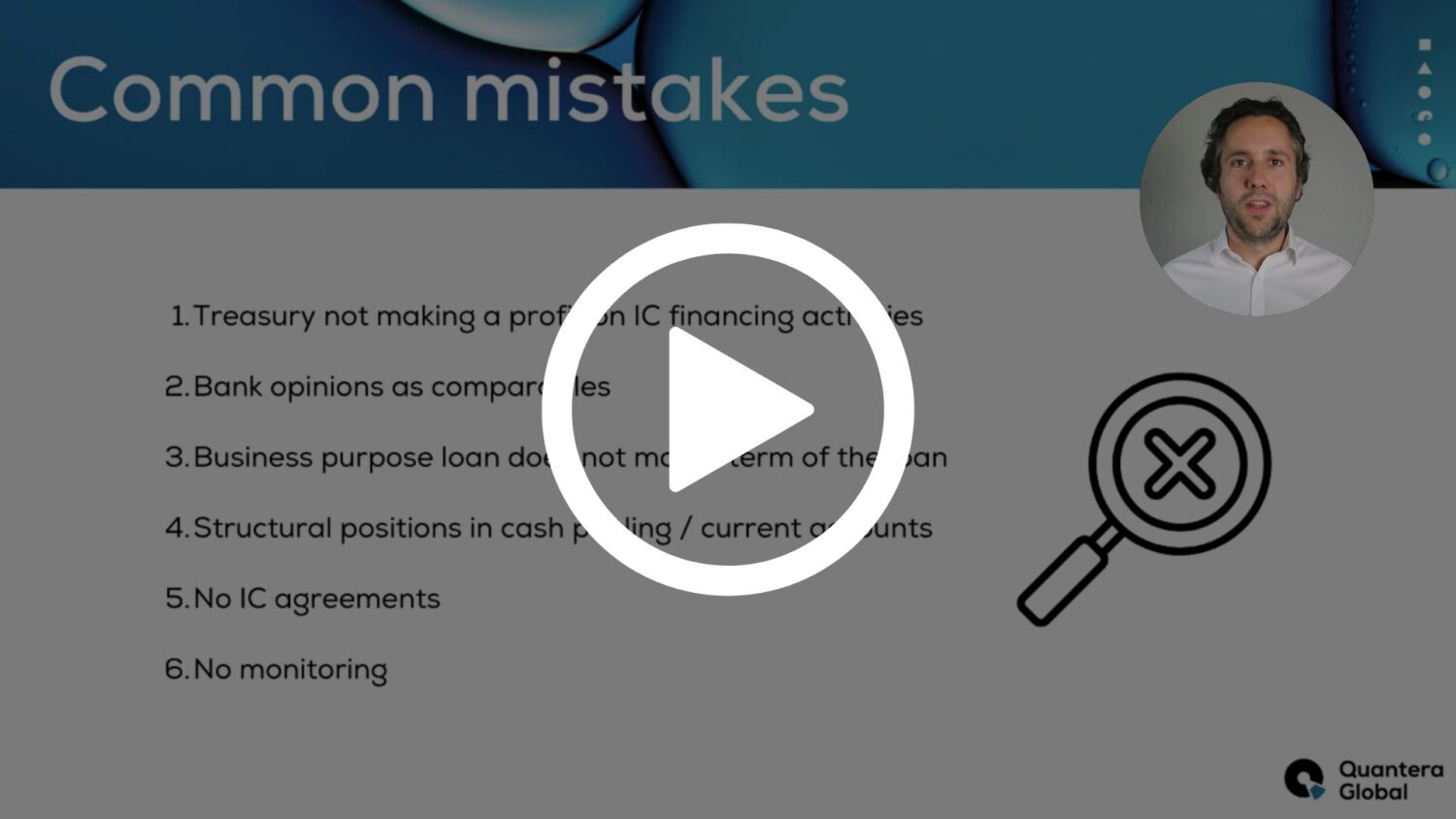
Webinar: Transfer pricing aspects of financial transactions
Arm’s Length Methods of Transfer Pricing
To determine whether a transaction meets the Arm’s Length Principle, businesses use the following OECD-approved transfer pricing methods:
Comparable Uncontrolled Price (CUP) Method
This method compares the price charged in an intercompany transaction with prices in similar transactions between independent entities.
- Best used for: Highly comparable transactions.
- Challenges: Lack of publicly available data for intangibles and unique products.
Learn more about the Comparable Uncontrolled Price (CUP) Method.
Resale Price Method (RPM)
The resale price method evaluates the gross profit margin earned by a distributor on products purchased from related parties and resold to independent customers.
- Best used for: Distribution businesses.
- Challenges: Requires accurate gross margin comparisons.
Learn more about the Resale Price Method (RPM)
Cost Plus Method (CPM)
This method applies a markup to the costs incurred in producing goods or services to determine an arm’s length price.
- Best used for: Manufacturers and service providers.
- Challenges: Identifying the correct markup can be difficult.
Learn more about the Cost Plus Method (CPM)
Transactional Net Margin Method (TNMM)
TNMM assesses the net profit margin of related-party transactions against those of independent companies engaged in similar activities.
- Best used for: Service-based transactions.
- Challenges: Requires extensive financial data and benchmarking.
Learn more about the Transactional Net Margin Method (TNMM)
Profit Split Method (PSM)
PSM allocates profits based on the relative contributions of each related entity to a value chain.
- Best used for: Integrated businesses with significant intangibles (e.g., technology firms).
- Challenges: Requires detailed functional and risk analysis.
Learn more about the Profit Split Method (PSM)
Challenges in Applying the Arm’s Length Principle
- Availability of Comparable Data
Finding reliable third-party data is a common challenge, especially for businesses dealing in unique intangibles or highly customized services. - Valuation of Intangible Assets
Intangible assets such as patents, trademarks, and brand equity present valuation difficulties as market comparables may be scarce. - Complexity in Multinational Transactions
Businesses operating in multiple jurisdictions must align with diverse transfer pricing rules, increasing compliance complexity. - Risk of Double Taxation
Tax authorities in different countries may disagree on the arm’s length price, leading to double taxation risks unless resolved through tax treaties or the Mutual Agreement Procedure (MAP).
What our clients say about us
Guided TP model improvement
Quantera has been with us since the start of the overhaul of our TP model. With the help of Quantera we were able to ask the right questions and also got the business thinking about where their value really sits. This journey has left us being much better in control. They maintain a good overview of outstanding issues and pro-actively contribute to resolve issues.

Jord Ruijgh
Head of Tax & Treasury at Meltwater
Cooperative global TP services
Quantera Global provides us with excellent transfer pricing services, which we use as part of our propositions towards our global clients. We appreciate their open and cooperative style of working together. They are always available to brainstorm on tp matters, discuss practical approaches and provide global insights.
Bart Le Blanc
Partner at Norton Rose Fulbright LLP
Timely project delivery
Quantera Global has assisted us in a transfer pricing documentation project that needed to be dealt with at a short notice. We appreciate their delivery capacity and proper and timely feedback.

Erwin Beermann
CFO at FibrXL
How Multinational Companies Ensure ALP Compliance
Maintaining Proper Documentation
Robust documentation is a core requirement of transfer pricing rules and your best defense in an audit. To demonstrate compliance, companies must prepare:
- Master File: Overview of group‑wide policies, intangibles, and financing arrangements
- Local File: Detailed breakdown of local entity’s related‑party transactions
- Country-by-Country reporting: High‑level allocation of income, taxes paid, and indicators of economic activity across jurisdictions
Timely, accurate reports not only satisfy regulators but also support internal governance and investor confidence.
Applying Strategic TP Measures
Conducting Benchmarking Studies: Regular benchmarking against industry peers ensures compliance and provides defensible pricing models for tax audits.
Advance Pricing Agreements (APAs): Businesses can negotiate APAs with tax authorities to secure pre-approved transfer pricing methodologies, reducing audit risks.
Internal Transfer Pricing Policies: A robust internal framework ensures consistent application of ALP across global subsidiaries.
We are here if you need a:

Sparring partner
Sparring partner Many of our clients are experiencing various developments in their business. They like to have a sparring partner who understands their business and its position and who can provide pragmatic advice in a quick and efficient way by addressing only the needs of the company. We enjoy being a sparring partner and are […]
Strategic sessions
In the strategic session, our experts gain a deep understanding of the composition and structure of your company, even in the most complex situations. Our team is specialised in understanding your business. The strategic session can focus on a specific topic you would like to focus on or your overall transfer pricing policy.

Transfer pricing analysis
All transactions between related entities should be at arm’s length. This is a very important principle in international tax law. A transfer pricing analysis is required to determine the arm’s length price. The tp analysis will show whether there are opportunities and possible threats within the current transfer pricing policy.
Regulatory Framework: OECD and Local Jurisdictions
- OECD Transfer Pricing Guidelines
The OECD Guidelines provide a framework for applying ALP consistently across jurisdictions. The Base Erosion and Profit Shifting (BEPS) initiative aims to combat aggressive tax planning by requiring transparency in profit allocation.
- Country-Specific Regulations
Each jurisdiction has specific transfer pricing regulations that align with OECD principles but may impose additional documentation and reporting requirements.
Examples:
- United States: IRC Section 482
- European Union: EU Joint Transfer Pricing Forum (JTPF)
- India: Section 92A of the Income Tax Act
How can we help you?
Fill out the contact form or visit our FAQ.